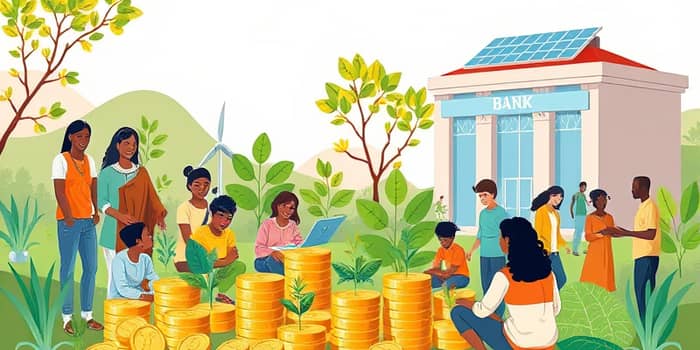
Every dollar you deposit can shape the future of our planet and communities. Making informed choices about where you bank empowers you to support positive change. This guide will help you navigate the world of ethical banking and find institutions that mirror your beliefs.
Whether you’re new to sustainable finance or looking to switch institutions, understanding the principles, standards, and real-world impacts of ethical banks is essential. Let’s delve into what makes a bank truly ethical, how to identify the right partner, and the benefits you can expect.
The concept of ethical banking transcends mere profit generation. At its core, it embodies the practice of financial institutions prioritizing social, environmental, and moral responsibility.
Rather than funding industries that harm the planet or communities, ethical banks channel resources toward ventures that promote sustainability and social welfare. This broad approach includes green lending, community revitalization, affordable housing initiatives, and support for inclusive enterprises.
Ethical banks adhere to foundational principles that guide every decision. These pillars ensure that financial activities contribute positively to society and the environment.
To ensure consistency and credibility, ethical banks often join networks or adopt international guidelines. These frameworks set benchmarks for performance and accountability.
Membership in these groups signals a bank’s commitment to rigorous ethical standards and fosters international cooperation on sustainable finance.
Different banking models serve diverse needs but share a focus on ethical outcomes. Choosing a type that aligns with your priorities ensures your values guide every transaction.
Choosing an ethical bank can yield both personal and collective advantages. Over time, these benefits compound and drive systemic improvements.
First, ethical banking helps restore public trust through openness and consistent accountability, countering past financial scandals. Transparency reassures customers that their money supports constructive initiatives rather than harmful enterprises.
Second, by channeling capital into renewable energy, sustainable agriculture, and community projects, ethical banks encourage sustainable growth and job creation in emerging green sectors.
Third, they promote social responsibility by financing affordable housing, healthcare facilities, and inclusive ventures, directly addressing societal needs and reducing inequality.
Moreover, responsible practices lower the risk of systemic crises by avoiding overexposure to volatile or unethical industries. Strong governance structures lead to enhanced corporate decision-making quality and reduced conflicts of interest.
No financial model is without trade-offs. Ethical banks sometimes face hurdles in balancing ideals and profitability.
One significant challenge is the tension between profit versus principle. Denying financing to clients that breach ethical norms can limit growth opportunities and affect short-term viability.
Additionally, the absence of a universally accepted definition of “ethical banking” means that standards vary widely. Customers must scrutinize bank policies to confirm genuine commitments rather than marketing claims.
Consumer demand is rising, however, and regulatory frameworks around the world are tightening transparency requirements, encouraging more banks to adopt responsible practices.
Finding the right institution requires research and alignment with your personal values. Here are practical steps to guide your decision:
By systematically evaluating these factors, you can ensure your banking partner reflects your commitment to ethical progress.
Hard data helps paint a clear picture of the ethical banking landscape. Here are some notable figures and case studies:
The Global Alliance for Banking on Values network comprises over 60 banks, one third based in the United States. Each member must meet strict criteria, including minimum asset levels and governance standards.
More than 300 financial institutions worldwide have signed the UN Principles for Responsible Banking, committing to six guiding principles that cover alignment with climate goals, stakeholder engagement, accountability, and transparency.
A leading example, Beneficial State Bank, strives for at least 75% of its lending portfolio to deliver positive social and environmental impacts while avoiding support for harmful industries entirely.
The future of ethical banking is shaped by technological innovation and shifting consumer preferences. Fintech platforms are increasingly embedding ethical filters, making it easier for users to track the social impact of every transaction.
Consumer activism is transforming ethical banking from a niche segment into a mainstream demand. Surveys in 2025 show that a majority of customers factor social responsibility into their financial decisions, pressuring conventional banks to adapt or lose market share.
Ethical banking offers a powerful way to align financial decisions with personal values. By understanding core principles, examining institutional standards, and applying practical selection criteria, you can channel your money toward positive change.
While challenges remain, the growing network of ethical banks and emerging trends in fintech promise a more sustainable and inclusive financial future. Your choice of bank can serve as a catalyst for environmental protection, social justice, and enduring community prosperity—proving that responsible finance is not only possible but essential for a better world.
References