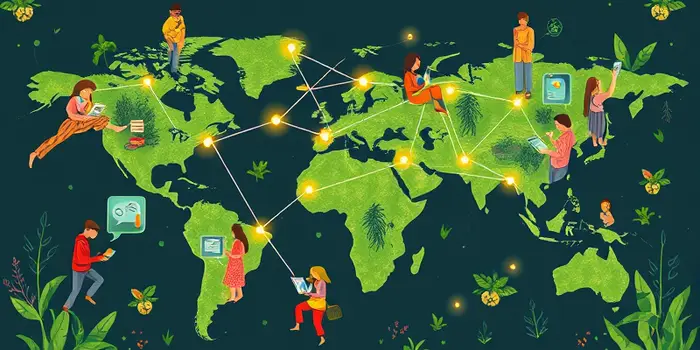
In an era where financial inclusion is both an economic imperative and a moral success, microfinance institutions are leveraging innovation to broaden their impact.
From remote villages to urban slums, these efforts are transforming livelihoods and redefining access to capital on a global scale.
The microfinance sector has experienced exponential growth over the past decade. As of 2024, the global market value stood at USD 279.22 billion, on track to surpass USD 310.10 billion by 2025. Projections indicate that by 2034, the market could approach USD 797.11 billion, reflecting a compound annual growth rate between 10% and 12.5%.
Geographical analysis highlights South Asia as the epicenter of microfinance activity, with its borrower base exceeding 85 million individuals in 2018 and continuing to expand. East Africa presents dynamic growth prospects, fueled by a projected economic expansion of 5.7% in 2025–26. In Latin America, private sector credit comprises 50–60% of GDP, indicating significant room for microfinance penetration.
The sector’s workforce now exceeds 783,000 professionals, with 50,000 new jobs added last year. Over 1,200 startups and 2,500 established microfinance institutions operate worldwide, underscoring the ecosystem’s vibrancy. Venture capital and grants have fueled 1,260 funding rounds, averaging USD 17.5 million per investment, a testament to strong investor confidence.
Several pivotal factors are fueling microfinance’s rapid development:
Collectively, these drivers have built momentum, aligning stakeholders from regulators to impact investors in a shared mission to close the financing gap for low-income and informal enterprise owners.
Innovation in technology has revolutionized how microfinance reaches its clients. Institutions now deploy sophisticated tools to streamline operations and widen reach:
These technological advances have yielded significant operational efficiencies, reducing transaction costs by up to 30% and enabling MFIs to serve remote and previously inaccessible communities. The shift to digital platforms also supports real-time portfolio monitoring, empowering institutions to manage risk and optimize product offerings.
Microfinance goes beyond credit—its social footprint spans job creation, gender empowerment, and environmental resilience. By providing capital to micro-entrepreneurs, MFIs support over 60% of global employment in micro and small enterprises.
A particular focus on women’s financial inclusion has led to tailored microloans and group lending models that boost household incomes, foster educational opportunities for children, and enhance community well-being. Borrowers using loans for planned business ventures report enhanced financial stability, while those reliant on credit for emergencies risk income volatility.
Client protection initiatives have been strengthened, including transparent fee disclosures, informed consent protocols, and grievance redressal mechanisms, as monitored by indices like the Microfinance Index 2025.
Environmental sustainability is gaining prominence. Leading MFIs are piloting innovative climate-adaptive lending practices, offering smallholder farmers financing for drought-resistant seeds, solar irrigation pumps, and agroforestry projects. Such programs not only build climate resilience but also open pathways for green microinsurance and carbon credit mechanisms.
This regional mosaic demonstrates how tailored strategies and digital tools combine to scale impact across diverse contexts and economic environments.
Despite its progress, the microfinance sector faces obstacles that require strategic navigation. Addressing these challenges is essential to ensure sustainable, inclusive growth:
To overcome these hurdles, stakeholders must collaborate on robust frameworks that balance growth with borrower welfare. Strengthening credit bureaus and tiered interest rate models can protect clients, while targeted public-private partnerships can accelerate digital infrastructure deployment.
Impact investors and development agencies play a crucial role by channeling capital into institutions that meet rigorous environmental, social, and governance standards. This incentivizes MFIs to embed resilience, transparency, and sustainability into their core operations.
Emerging collaborations between traditional microfinance institutions and agile fintech startups promise to drive further innovation, combining financial sector expertise with advanced analytics, blockchain security, and mobile connectivity to reach even the most remote and underserved communities.
To unlock microfinance’s full potential by 2034, stakeholders must adopt a holistic, forward-looking approach.
First, expanding digital infrastructure remains a priority. Governments and development partners should invest in rural connectivity, solar-powered mobile towers, and community training programs. By equipping clients with digital literacy and affordable devices, MFIs can deepen engagement and reduce operational barriers.
Second, product diversification will be key. Beyond credit, institutions should offer tailored micro-savings, micro-insurance, and micro-pension schemes. These products enhance client resilience, smooth consumption patterns, and build long-term financial security.
Third, impact-focused capital must be mobilized at scale. Blended finance vehicles, combining concessional funds with commercial capital, can de-risk innovation pilots and encourage private sector participation. Impact bonds tied to measurable social and environmental outcomes can also drive performance and accountability.
Fourth, regulatory harmonization across regions can streamline cross-border collaborations and the scaling of successful digital platforms. Standardizing KYC procedures, data privacy norms, and capital adequacy criteria will create a more predictable operating environment.
Finally, fostering a culture of continuous learning and adaptation is essential. MFIs should partner with research institutions to evaluate program impact, share insights, and iterate on product design. Peer-to-peer knowledge networks can accelerate the diffusion of best practices and technologies across the global microfinance community.
Looking ahead to 2034, the microfinance sector stands at a crossroads of opportunity and responsibility. By championing over 142 million borrowers worldwide through inclusive, technology-driven solutions, the industry can forge a path toward equitable economic growth.
As we embrace innovation, foster cross-sector partnerships, and prioritize client welfare, microfinance will continue to scale its reach—empowering individuals, strengthening communities, and shaping a more resilient global economy for generations to come.
References