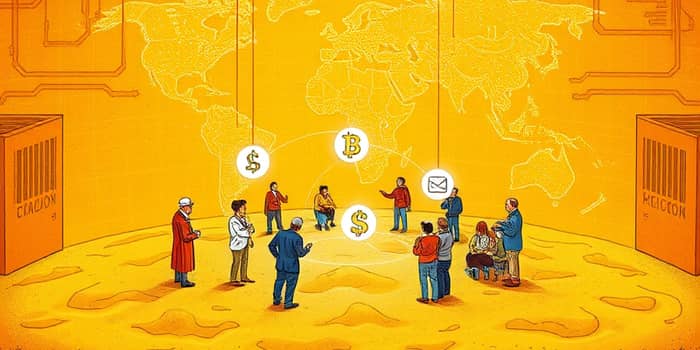
In today’s rapidly evolving financial ecosystem, innovation stands at the forefront of progress. The fintech sandbox has emerged as a transformative tool, offering entrepreneurs and established institutions alike a controlled environment to experiment with groundbreaking solutions. By temporarily easing regulatory constraints, these sandboxes nurture creativity while upholding market integrity. In this article, we delve into the essence and impact of the fintech sandbox, exploring its strategic significance, global implementations, and the path forward for stakeholders aiming to harness its full potential.
A fintech sandbox is essentially a testing ground where regulatory requirements are relaxed to allow the safe development of financial innovations. Regulators establish this framework to create a controlled regulatory environment for startups and incumbents to test new products, services or business models under close supervision. Participants benefit from reduced compliance burdens while gaining valuable insight into regulatory expectations. This unique setup balances two often competing priorities: fostering innovation acceleration across the sector and ensuring robust risk mitigation through oversight.
The core purpose of the sandbox extends beyond simple experimentation. It serves as a dynamic feedback loop between industry and regulators, resulting in more informed policy design. By monitoring live tests, authorities can identify operational weaknesses, data vulnerabilities, and consumer risks without exposing a broad audience to potential harm. For innovators, the sandbox represents a low-stakes arena where ideas can thrive, iterate, and mature.
Fintech sandboxes deliver strategic advantages that resonate on both sides of the regulatory fence. For startups, participation often translates into faster market entry, enhanced credibility, and stronger investor interest. Regulators, on the other hand, gain firsthand experience with emerging technologies, equipping them to craft forward-looking rules.
According to a 2024 study of the UK Financial Conduct Authority sandbox, graduates attracted 6.6 times more fintech investment compared to non-participants. This demonstrates the tangible edge companies gain through sandbox endorsement. Moreover, engaging regulators early can preempt costly adjustments later, streamlining the path from concept to commercialization.
Beyond strategic acceleration, fintech sandboxes promote broader industry advantages. Startups and financial institutions alike enjoy significant cost savings by reducing legal and operational overhead commonly associated with regulatory compliance. Sandboxes also foster an inclusive environment, enabling niche products that target underserved communities to receive support and scrutiny before full launch.
For regulators, sandboxes serve as incubators for building institutional expertise. By witnessing firsthand the capabilities and limitations of technologies such as blockchain, artificial intelligence, and open banking APIs, authorities can refine supervisory approaches and adapt guidance to real-world scenarios. Such experience often leads to policy enhancements that benefit the entire financial ecosystem.
Finally, sandboxes contribute to systemic resilience. Testing countermeasures against cyber threats and simulating outage scenarios helps participants demonstrate robust recovery mechanisms. This focus on operational continuity not only protects end users but also safeguards market stability during periods of accelerated digital adoption.
Fintech sandboxes have multiplied worldwide, each tailored to national priorities and market conditions. In Singapore, the Monetary Authority of Singapore (MAS) pioneered a sandbox with access to real-time transactional data, enabling high-fidelity trials under supervised conditions. The UK’s FCA stands as a benchmark, showcasing a structured approach that links sandbox success to expedited regulatory approval.
India’s sandbox, overseen by the Reserve Bank of India (RBI), emphasizes financial inclusion by targeting products designed for rural and underbanked populations. Malta’s Financial Services Authority (MFSA) has introduced themed sandboxes, focusing on sustainable finance and digital asset services. Each model reflects different regulatory philosophies but shares common goals: manage risk, promote innovation, and protect consumers.
These examples highlight how context-specific rules and objectives shape sandbox design. While the underlying mechanism remains consistent—a period of regulatory relief coupled with close supervision—the pace and scope of testing can vary significantly.
Despite their benefits, sandboxes are not without criticism. Resource-intensive oversight can strain agency budgets, and there is a risk that selected participants gain an unfair advantage over competitors. The variability in regulatory capacity across jurisdictions raises concerns about consistency and equitable access.
Consumer protection remains a paramount concern. Sandboxes must enforce clear transparency standards to ensure participants maintain ethical frameworks. Moreover, robust exit strategies are essential to transition successful trials into mainstream operations without legal ambiguity. Many sandboxes now require detailed plans for scaling, funding, and compliance automation after the trial period ends.
Balancing flexibility with accountability is an ongoing challenge. Regulators must avoid complacency, ensuring that temporary relief does not become a loophole for consumer exploitation. Ongoing evaluation and stakeholder feedback are critical to refining sandbox methodologies.
The fintech sandbox landscape continues to evolve with the rise of regtech solutions. Sandboxes increasingly host experiments on automated compliance and risk models, exploring how machine learning and data analytics can streamline regulatory reporting. Cross-border interoperability is another hot topic, as innovators seek to deploy solutions across multiple markets.
Themed sandboxes are on the rise, narrowing focus to areas like digital wallets, green finance, or identity verification. National regulators are also exploring joint sandbox initiatives to facilitate global collaboration and mutual recognition of trial results. Such developments hint at an interconnected regulatory future where bilateral agreements and shared standards pave the way for truly borderless fintech services.
To maximize sandbox benefits, participants should engage early with regulators, articulate clear regulatory boundaries and objectives, and prepare robust risk management protocols. Planning for international expansion, including potential licensing requirements and data privacy regulations, can turn sandbox validation into a springboard for global growth. Finally, integrating direct consumer feedback into testing cycles ensures solutions remain user-centric and trustworthy.
The fintech sandbox represents a powerful mechanism for fueling the next wave of financial innovation. By striking a delicate balance between experimentation and oversight, these controlled environments empower startups, banks, and regulators to co-create solutions that address emerging market needs. While challenges around resource allocation, fairness, and consumer protection persist, the evolution of sandbox models promises to refine global financial regulation.
As the ecosystem matures, cross-border initiatives and regtech breakthroughs will shape more efficient, inclusive, and resilient financial services. For any organization seeking to innovate responsibly, the sandbox offers not just a testing ground, but a collaborative platform for reimagining the future of finance.
References